
Choosing between different cosmetic contract manufacturers is one of the most important business decisions you’ll make as a beauty brand. The right partner can help you scale smoothly, launch reliably, and protect your reputation. The wrong one can cost you time, money, and customer trust.
This guide walks through the key criteria you should use when choosing a contract manufacturer and how to evaluate each one like a pro.
Start With Your Business Strategy, Not Just the Formula
Before you look at any lab, be clear on what you actually need:
-
What types of products? (skincare, body care, mineral sunscreen, NPN / natural health, etc.)
-
What positioning? (clinical, spa, clean beauty, derm-inspired, luxury, etc.)
-
What channels? (online DTC, spa/salon, retail, distributors)
-
What volumes? (launch quantities vs. long-term scaling)
A cosmetic manufacturing partner shouldn’t just “make stuff” — they should fit your strategy. A good partner will ask about your brand, price points, timelines, and long-term goals, not just your formula or sample.
Red flag: a manufacturer that talks only about price and doesn’t ask about your market, positioning, or growth plans.
Check Certifications, Compliance, and Regulatory Experience
In cosmetics and skincare, compliance is non-negotiable. At minimum, look for:
-
GMP (Good Manufacturing Practice) – shows that processes are standardized, documented, and audited.
-
Proper licenses and registrations for the product categories they produce (e.g., NPN / natural health products, mineral sunscreens, etc.).
-
Clear, documented quality systems (batch records, COAs, stability testing where relevant).
Ask direct questions such as:
-
“Are you GMP-certified, and by whom?”
-
“What documentation do you provide with each batch?”
-
“Do you have experience with NPN / natural health or mineral sunscreen products?”
If you’re considering mineral sunscreen or health-related products, choose cosmetic contract manufacturers who can clearly explain what they can and cannot produce and why.
Understand Their Product Scope and Limitations
Not all manufacturers do everything — and that’s a good thing. Specialization often means better quality.
Clarify:
-
Do they work with skincare only, or also color cosmetics, hair, body, etc.?
-
Do they produce mineral sunscreens (e.g., zinc oxide, titanium dioxide) but not chemical sunscreens?
-
Can they handle NPN / natural health products if you need them?
-
Do they support specific formats you care about (serums, creams, gels, toners, masks, airless pumps, tubes, jars, etc.)?
You want a cosmetic manufacturing partner that is very comfortable with the exact type of product you’re planning — not just willing to “try.”
Evaluate Minimum Order Quantities (MOQ) and Batch Sizes
MOQs directly affect your cash flow, storage, and risk.
Key questions:
-
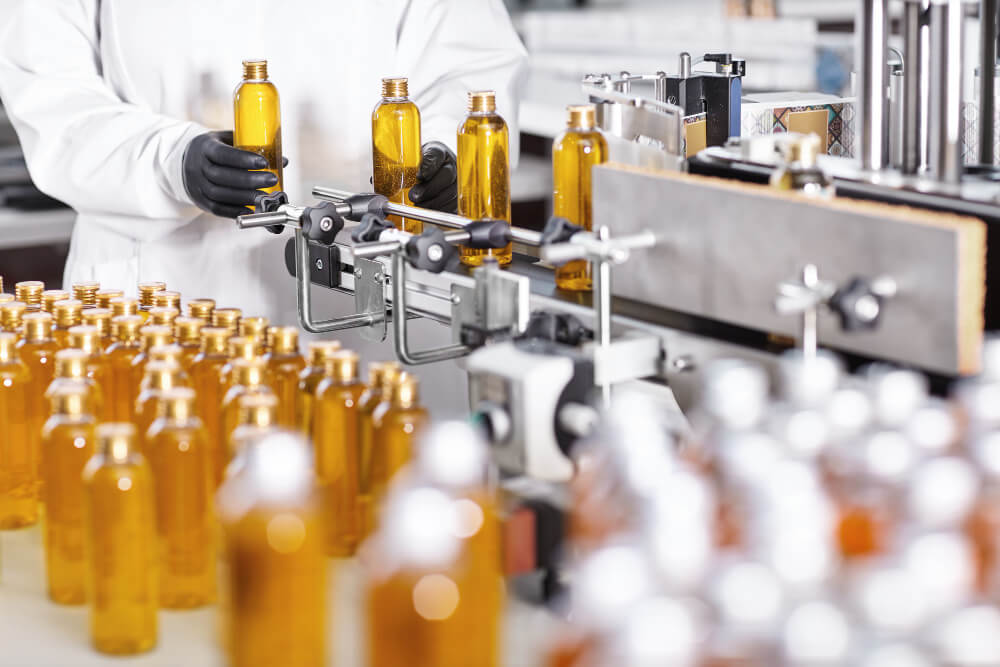
What is the minimum batch size (e.g., 150 kg, 300 kg, 1 ton)?
-
Can they scale with you from first launch to larger runs?
-
Do they allow multiple SKUs from one base batch (where technically possible)?
If your volumes are too small for a manufacturer’s MOQ, it will strain the relationship. If their MOQ is too low, they may not be able to grow with you later.
Choose cosmetic contract manufacturers whose MOQ and capacity match both your current stage and future growth.
Check Formulation and R&D Support (If You Need It)
Some brands come with a finished, lab-tested formula. Others need help:
You should ask:
-
Do they offer custom formulation services if needed?
-
Can they help you optimize or adapt an existing formula?
-
Do they sell or license existing base formulations you can build on?
Even if you don’t need formulation support right now, it’s helpful to know if your manufacturer can assist later when you:
-
Add new products
-
Reformulate for new markets or claims
-
Update textures, actives, or performance
Look for a partner who will be transparent about what is in-house vs. what requires third-party labs or extra R&D time.
Assess Filling, Packaging, and Supply Support
A strong cosmetic manufacturing partner doesn’t just make bulk product. They help turn that bulk into a finished, sellable unit.
Ask about:
-
Filling capabilities – bottles, jars, tubes, airless pumps, sachets, etc.
-
Labeling and coding – batch codes, expiry, regulatory info.
-
Secondary packaging – boxes, inserts, sets, kits.
-
Supply assistance – can they help you source packaging and raw materials, or work with your existing suppliers?
Ideally, they can:
-
Fill and assemble your packaging
-
Coordinate with your packaging supplier(s)
-
Give practical feedback on packaging compatibility (e.g., viscosity vs. pump type)
This reduces friction and makes your supply chain more resilient.
Review Quality Control, Testing, and Documentation
Quality isn’t just marketing language; it should be visible in their process.
Important points:
-
Do they have in-house QC for raw materials and finished goods?
-
Do you receive batch records, COAs (Certificates of Analysis) or similar documents?
-
Can they coordinate stability, micro, and compatibility testing (internally or through accredited labs)?
When comparing cosmetic contract manufacturers, ask each one:
-
“What does your standard QC package include?”
-
“How do you handle non-conformities or quality issues?”
You’re looking for structure and clarity, not improvisation.
Evaluate Communication Style and Project Management
Even the best facility can be a nightmare if their communication is slow or unclear.
Pay attention to:
-
How fast they reply to emails.
-
Whether they answer your questions directly.
-
If they provide clear next steps, timelines, and responsibilities.
-
If you have a single point of contact (project manager / account manager).
A good cosmetic manufacturing partner will:
-
Be honest about timelines and capacity
-
Flag potential issues early
-
Help you avoid unrealistic expectations
Red flag: vague answers, constantly moving deadlines, or reluctance to put things in writing.
Compare Pricing in the Context of Value, Not Just Cost
Of course, pricing matters. But the cheapest manufacturer is rarely the best long-term choice.
When you get quotes, look at:
-
What’s included (R&D, sampling, QC, documentation, project management)
-
Batch size vs. price
-
Payment terms (deposit, balance, milestones)
-
Hidden costs (extra fees for changes, rush fees, packaging storage, etc.)
Instead of asking “Who is cheapest?”, ask:
“Which cosmetic contract manufacturer delivers the most reliable, scalable value for my brand?”
A small difference in cost per unit can be worth it if it saves you from failed batches, delays, or compliance problems.
Think Long-Term Partnership, Not One-Off Production
You’re not just buying a batch — you’re choosing a strategic partner.
Look for a manufacturer who:
-
Understands your brand and category
-
Can scale production as you grow
-
Is open to long-term planning (new product pipeline, phased launches)
-
Respects confidentiality and IP
When you find the right fit, cosmetic contract manufacturers become an extension of your team: R&D, operations, and supply chain all in one collaborative relationship.
Final Thoughts
Choosing the right contract manufacturer isn’t about who replies first or who’s cheapest. It’s about finding a manufacturing partner who aligns with your quality standards, product vision, and growth plans.