
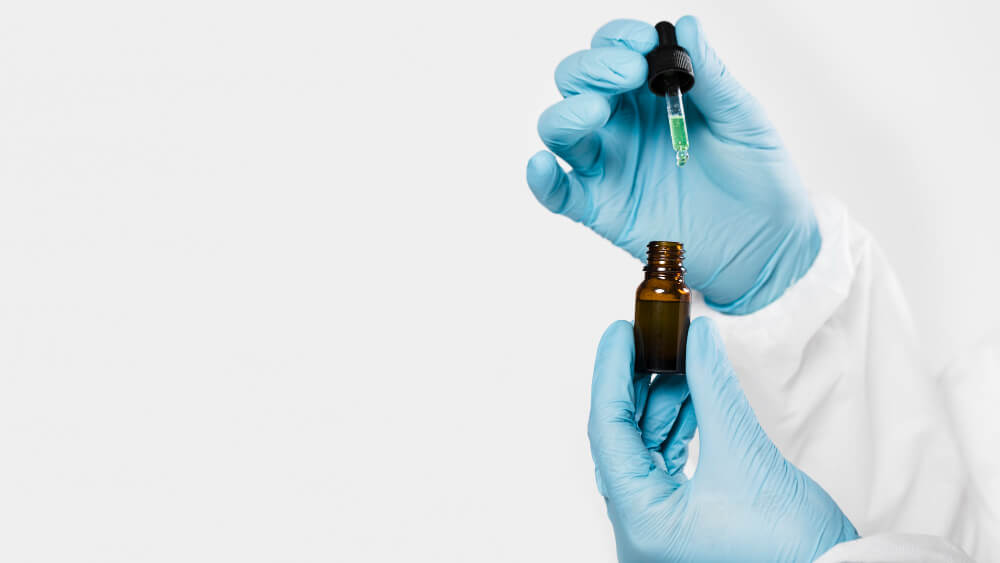
Developing a custom cosmetic formulation is one of the most powerful ways a skincare brand can differentiate itself in today’s competitive beauty market. Instead of relying on generic or mass-produced products, custom formulations allow you to build something unique—tailored to your target audience, performance goals, brand identity, and long-term vision.
This guide breaks down the full process from strategy to production, helping you understand how professional formulation development works and what to expect when working with a contract manufacturer.
Start With a Clear Product Strategy
A successful formulation doesn’t start in the lab—it starts with strategy. Before you think about ingredients or textures, define:
-
Brand positioning: clinical, luxury, clean beauty, spa, derm-inspired
-
Target audience: sensitive skin, aging concerns, acne-prone, premium customers
-
Product purpose: brightening, hydrating, barrier repair, anti-aging, soothing
-
Key claims: fragrance-free, vegan, dermatologist tested, natural, high-performance
-
Price point: mass, masstige, premium
Your custom formulation must align with your brand’s identity and your customers’ expectations. Without a clear strategy, even the best formula won’t perform in the market.
Create a Professional Product Development Brief
Before R&D begins, your manufacturer will need a Product Development Brief. This ensures clarity and eliminates miscommunication during formulation.
A solid brief includes:
-
Product type: serum, cream, toner, gel, lotion, balm
-
Texture preferences: lightweight, rich, silky, fast-absorbing
-
Sensory expectations: matte finish, glossy, cooling effect, soft-touch
-
Performance goals: hydration, brightening, soothing, exfoliation
-
Preferred or restricted ingredients
-
Colour and fragrance preferences
-
Packaging type to be used
-
Budget and minimum batch size
A complete brief speeds up development and improves formulation accuracy.
Choose a Contract Manufacturer With R&D Support
To develop a custom cosmetic formulation, you need more than a filling facility—you need an experienced partner with real R&D capability.
Look for:
-
In-house formulation chemists
-
Experience in skincare formats (serums, emulsions, gels, sunscreens, NPN products)
-
Ability to create new formulas from scratch
-
Support for modifying or optimizing existing formulas
-
Knowledge of regulatory requirements and restrictions
-
Clear timelines for sample creation and revisions
A strong manufacturing partner acts like an extension of your team, helping refine your concept into a market-ready formula.
Sample Development and Revision Rounds
Once R&D begins, you’ll receive lab samples to test. Most brands go through 2 to 4 revision rounds before achieving the final version.
During each round, evaluate:
-
Texture, spreadability, absorption
-
Skin feel (rich, light, silky, fresh)
-
Fragrance and sensory profile
-
Compatibility with your chosen packaging
-
Initial stability indicators (separation, colour changes)
Good communication between you and the lab ensures the formula evolves in the right direction.
Ingredient Quality, Compliance, and Safety
A custom formulation must be built on high-quality raw materials and comply with all safety regulations.
Your manufacturer should ensure:
-
Use of cosmetic-grade, reputable raw materials
-
GMP-compliant processes
-
Ingredient safety and regulatory review
-
Claims alignment (e.g., “brightening,” “hydrating”)
-
Compatibility with international regulations if exporting
-
Proper documentation (INCI list, SDS, allergen info)
If you’re making mineral sunscreen, note that only ingredient systems like zinc oxide and titanium dioxide are permitted (not chemical sunscreens).
If you’re making NPN / natural health products, the manufacturer must support compliant production.
Compliance is critical—not just for legal reasons, but for your brand’s long-term credibility.

Pilot Batches, Stability Testing, and Scale-Up
Once the formula is approved, the next steps include:
Pilot Batch
A small test production run (e.g., 20–40 kg) to ensure the formula behaves consistently at scale.
Stability Testing
Your manufacturer may run (or outsource) stability tests such as:
-
accelerated stability
-
freeze-thaw
-
microbial challenge testing (if applicable)
This ensures your formula remains stable, safe, and consistent over its shelf life.
Scale-Up
When scaling to full production (150 kg – 1 ton+), the manufacturer adjusts mixing times, shear levels, temperatures, and equipment specifications without altering formula performance.
Filling, Packaging, and Compatibility
Your packaging choice affects formula behavior. A professional manufacturer will check:
-
Viscosity compatibility with pumps/tubes
-
Reaction with metal components
-
Air exposure (airless vs. open jar)
-
UV sensitivity for actives
-
Heat sensitivity during filling
Good packaging decisions improve customer experience and reduce returns or instability issues.
inal Production and Quality Control
Once everything is approved:
-
Bulk is manufactured
-
Product is filled and labeled
-
Batch codes and expiry dates are printed
-
QA performs final inspections
-
You receive Certificates of Analysis (COA)
-
Products get packed into final cartons
Each batch should follow standardized, documented procedures to ensure consistency and compliance.
Final Thoughts
Developing a custom cosmetic formulation is one of the most effective ways to build a unique, high-performing skincare brand. With the right strategy, a strong development brief, and an experienced contract manufacturer, you can create products that stand out, deliver results, and support long-term brand growth.